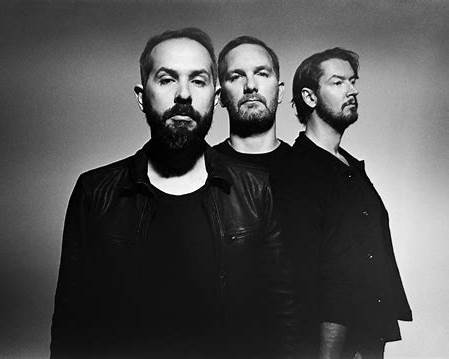
The music industry has a strange way of working. Some artists rack up millions of streams, sell out tours, and build massive fanbases — yet still fly completely under the mainstream radar. While everyone argues about Taylor Swift, Drake, and Bad Bunny, a whole parallel universe of “quietly huge” artists is thriving online.
Here are five popular artists you’ve probably never heard of, even though their numbers say otherwise.
Still Woozy
Genre: Indie Pop / Alt R&B
Still Woozy (real name Sven Gamsky) is one of the most streamed indie artists in the world, yet most casual listeners couldn’t name a single song. His sound blends bedroom pop, funk, and psychedelic soul — catchy enough for TikTok, chill enough for coffee shops.
Tracks like “Goodie Bag” and “Habit” have quietly become modern indie anthems, pulling in hundreds of millions of streams without ever breaking into traditional pop radio.
He’s proof that you can be stadium-level popular without being a household name.
Laufey
Genre: Jazz Pop / Indie
Laufey makes music that sounds like it came from a 1950s jazz lounge, but her audience is almost entirely Gen-Z. Her songs blend orchestral arrangements, soft vocals, and nostalgic songwriting that feels completely out of place in today’s hyper-digital music world — in the best way.
Despite that, she consistently sells out major venues and racks up hundreds of millions of streams. She’s one of the rare artists reviving jazz-influenced pop for a new generation.
TV Girl
Genre: Indie Pop / Lo-Fi
TV Girl feels like a cult band, but their numbers tell a different story. Songs like “Lovers Rock” and “Not Allowed” have become TikTok staples, generating massive daily streaming traffic.
Their retro sampling, spoken-word hooks, and dreamy production have created a fanbase that treats the band like a secret — even though they’re pulling in millions of listeners every month.
They’re “internet famous” in the purest sense.
Cigarettes After Sex
Genre: Dream Pop
Cigarettes After Sex might be the most extreme example of “famous but unknown.” Their music is slow, atmospheric, and intimate — the opposite of what you’d expect from a band with billions of streams.
They sell out theaters across Europe, Asia, and the U.S., yet most people couldn’t recognize the name. Their success comes almost entirely from streaming algorithms and playlist culture.
No scandals. No viral gimmicks. Just pure, algorithm-powered fame.
Men I Trust
Genre: Indie Pop / Dream Pop
Men I Trust built a massive global following with soft, minimal, dreamy pop that feels tailor-made for late-night drives and headphone listening.
They’ve accumulated billions of streams, headline international tours, and maintain a fiercely loyal fanbase — all while staying almost completely outside mainstream music media.
They’re a perfect example of how “chill” music now dominates streaming culture.
The new kind of popular is different. These artists didn’t come up through radio, labels, or celebrity culture. They came up through playlists, TikTok clips, YouTube recommendations, and streaming algorithms.
In today’s music industry, you no longer need to be “famous” to be successful. You just need to live inside people’s headphones.
And that’s created a whole generation of artists who are quietly bigger than most mainstream stars — even if you’ve never heard their names.

Welsh soul artist SJ Hill steps into his most vulnerable and cinematic chapter yet with his new single “Spell On Me,” a powerful release that captures the emotional chaos of loving someone who both saves and destroys you at the same time. The track feels like a confession set to music — dramatic, intimate, and driven by a voice that sounds like it’s carrying the weight of every word.
After gaining momentum with his previous single “Tonight,” which racked up over 1.4 million Instagram views and more than 40,000 streams, Hill continues to carve out his space as one of the most emotionally compelling emerging voices in UK soul and pop. From Cardiff stages to international attention, his journey has included major milestones such as appearances on BBC Radio 1Xtra, BBC Radio Wales A-List, and Spotify’s Fresh Finds, as well as live performances at venues like Wembley Arena and the O2 Academy London. He’s also no stranger to mainstream audiences, having reached X Factor bootcamp in 2017, won an episode of ITV’s Romeo & Duet, and made the semi-finals of LLIAS – The Welsh Voice. Most recently, his growing reputation saw him performing for high-profile guests including John Legend, Chrissy Teigen, and Chris Martin at a New Year’s Eve event in the Maldives.
“‘Spell On Me’ is a song that I hope a lot of people can relate to,” says SJ Hill. “It’s about the type of relationship when you know someone is bad for you, but you keep coming back because they lift you up and break you down in equal measure.”
Co-written with long-time collaborator Tommy John, the song explores emotional contradiction and dependency — the kind of connection that feels intoxicating even when it’s clearly unhealthy. Lyrically, Hill leans into themes of obsession, emotional addiction, and the strange comfort found in chaos, portraying love as something that can feel both like medicine and poison. The result is a track that feels deeply human, balancing tenderness with tension, and vulnerability with restraint.
Sonically, “Spell On Me” blends modern soul with pop sensibility, anchored by hypnotic melodies and a vocal performance that feels both fragile and commanding. It’s the kind of song that doesn’t just tell a story, but pulls the listener directly into the emotional experience itself. Fans of artists like Hozier, Rag’n’Bone Man, Lewis Capaldi, Dermot Kennedy, Sam Smith, and The Weeknd will recognize the same emotional intensity and cinematic depth that defines the best of contemporary soul-pop.
Check out more artists on Kings of A&R

For a long time, theatre was the default path for creative kids. Drama club, school plays, musical theatre programs, summer camps, auditions. If your child liked performing, that was the lane. Get on stage, learn your lines, sing the songs, hope you get cast.
But something has been changing.
More and more parents are starting to look at music instead of theatre as the main creative path for their kids. Not because theatre is bad, but because the world around it has changed.
Theatre, at its core, is about performance. You’re stepping into someone else’s story. Someone else wrote the script. Someone else directs the show. Someone else decides who gets the role. Even if you’re talented, you’re still waiting to be chosen.
Music works in the opposite direction. It’s about creation first. You write the song. You shape the sound. You build the identity. Instead of asking for permission, you’re making something that belongs to you.
That difference might sound subtle, but in today’s world, it’s huge.
Parents aren’t just thinking about talent anymore. They’re thinking about time, money, and long-term opportunity. Theatre takes a lot of investment. Years of classes, expensive programs, constant auditions, and a career path where only a very small percentage of people ever make a real living from it.
Music feels different. Vocal training, songwriting, and production skills don’t disappear after one show. They stack. Every song becomes an asset. Every recording is something you can release, improve, or build on.
From a parent’s point of view, theatre can start to feel like chasing roles, while music feels like building something.
What’s interesting is that schools still push theatre very hard. It fits perfectly into the education system. Group activities, school productions, showcases for parents. It makes sense inside a classroom.
But the real entertainment industry doesn’t run on school systems anymore. It runs on streaming, social media, independent releases, and digital platforms. The biggest opportunities today come from original content, not auditions.
That’s why so many families are slowly shifting away from school-based theatre programs and toward private vocal coaching, songwriting, and artist development. They’re following where the real market is.
And the shift is starting younger than ever.
A ten-year-old today can already do things that were basically impossible when most parents were growing up. They can start vocal lessons and learn how their voice actually works. They can write simple songs instead of just memorizing lines. They can record at home. They can post covers or original music online. They can learn piano or guitar and understand how songs are built from the inside.
At that age, it’s not about being famous. It’s about learning how to create.
By the time that same kid is fifteen or sixteen, they’re not just “trying it out.” They already have years of experience, a catalog of songs, and usually some kind of audience. That kind of head start doesn’t really exist in theatre, where every audition is a reset and every role depends on someone else’s decision.
Theatre has one main path. You audition, you get cast, you perform, and then you start over.
Music has dozens of paths, and they can all happen at the same time. An artist can be writing, recording, releasing, building an audience, performing live, and even licensing music all at once. There’s no single gate and no one moment where someone tells you you’re allowed to begin.
That’s also why the definition of “artist” has changed.
The modern artist isn’t just a performer anymore. They’re a brand. They’re a content creator. They’re a business. They own intellectual property. They think about audience, identity, and long-term value, not just the next show.
Theatre teaches you how to perform.
Music teaches you how to create, build, and own.
This shift isn’t about theatre versus music. It’s about which path actually matches the world we live in now.
The future belongs to artists who own their work, control their audience, and build something they can grow over time. Artists who think like creators instead of applicants.
That’s why more parents are moving their kids toward vocal training, songwriting, and artist development. Not because theatre is disappearing, but because music offers something theatre simply can’t in today’s industry.
Freedom. Scalability. And real creative ownership.
In a digital world, the artist who creates the song holds more power than the artist waiting to be cast in one.
written by Dean Cramer via Kings of A&R

Several high-profile and emerging artists made noise this week with notable releases and creative moves.
Arctic Monkeys returned with their first new song in years, “Opening Night,” released as part of a charity compilation supporting children affected by global conflict. The track marks a rare moment of new material from one of the most influential alternative bands of the past decade.
Meanwhile, Violet Grohl, daughter of Foo Fighters frontman Dave Grohl, released a new single inspired by filmmaker David Lynch. The release signals a growing wave of second-generation artists stepping into the spotlight with their own creative identity.
Taylor Swift was officially inducted into the Songwriters Hall of Fame, becoming one of the youngest artists ever to receive the honor. The recognition places Swift among elite company, including Bob Dylan, Paul McCartney, and Carole King.
In the UK, the 2026 BRIT Award nominations were announced, with rising artists Olivia Dean and Lola Young leading the pack — a strong signal that the industry continues to shift toward new voices rather than legacy acts.
Tenacious D confirmed they are officially returning after a hiatus following public controversy. The band’s return highlights how fan loyalty and digital culture continue to allow artists to rebound quickly, even after major backlash.
One of the most telling industry stories this week came from Kim Petras, who publicly requested to be dropped by her record label after ongoing album delays. The situation drew support from Kesha, reigniting conversations around artist control, creative stagnation, and label power dynamics.
This case reflects a growing trend: artists are becoming more vocal about contractual frustration and are increasingly willing to challenge traditional label structures.
Several key trends are becoming impossible to ignore:
Short-form platforms like TikTok continue to dominate discovery and revenue generation.
Songwriting catalogs are being treated as long-term financial assets.
Artists are prioritizing ownership, independence, and brand leverage over traditional deals.
AI-assisted creativity is emerging as a new frontier, sparking debate over authenticity vs. efficiency.
The modern music business is no longer about just hits — it’s about control, community, and scalability.
The real power shift happening in music isn’t genre — it’s leverage.
Artists who understand branding, ownership, and catalog value are the ones building sustainable careers. The days of “get signed and hope” are over. The new model is:
Build audience first
Control your masters
Treat songwriting like real estate
Use labels as partners, not gatekeepers
Taylor Swift’s career, Kim Petras’ conflict, and the rise of independent releases all point to the same conclusion:
The future of music belongs to artists who think like entrepreneurs.
Follow Kings of A&R for real industry insights on artists, labels, trends, and the future of the music business. No fluff. No hype. Just the real game behind the scenes.
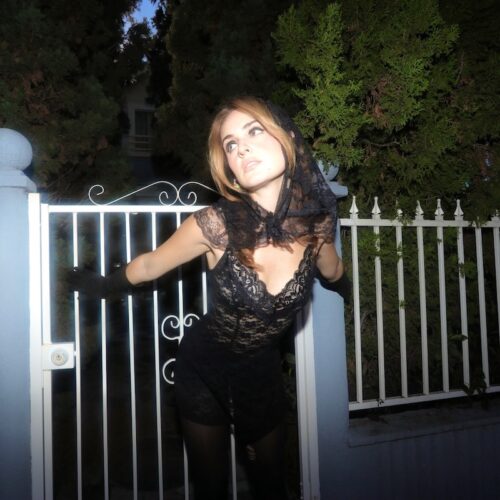
I’ve been following Avery Cochrane for a while now. The first track that caught my attention was “Shapeshifting on a Saturday Night,” a song that keeps finding its way back into rotation. From the start, it was clear Avery has a handle on turning personal moments into pop songs that stay with you. So when a new release arrived, it already had my attention.
Her latest single, “Griever,” focuses on what happens after an unexpected encounter with someone from your past. Not the moment itself, but the days that follow. The thoughts that show up later. The things you replay. The realization that some feelings never left. The song lives in that space, where memory and reaction keep looping.
“Griever” opens with layered vocals and piano, with no beat at first, letting the words sit on their own. There’s a sense of drama in the structure that recalls the pop instincts of Charli xcx, especially in how the song builds tension before releasing it. When the beat comes in, the track shifts into motion, pairing movement with lyrics that stay focused on the spiral underneath.
The writing is where the song locks in. Avery uses rhyme chains that keep the listener pulled forward: “fingers” into “wringer” into “restaurant singer,” “leader” into “believer” into “10 years weaker,” “feature” into “theater” into “griever.” The repetition and structure mirror how thoughts circle after the fact, revisiting the same ideas from different angles.
Specific lines carry much of the weight. “3 years gone, but I’m 10 years weaker” and “You turned a short film to a full-length feature” capture how memory stretches moments beyond their original scale. There’s also humor threaded through the song, grounding it in real experience rather than letting it drift into distance. Lines like “I even got fired as the restaurant singer” and “She’s taking pictures in my swimsuit / That’s cute” keep the perspective intact.
From a listening standpoint, “Griever” fits well alongside current pop discovery and alt-pop playlists on Spotify, including New Music Friday, Indie Pop, Pop Rising, Alt Pop, Bedroom Pop, and Sad Girl Starter Pack, where songwriting and structure drive repeat listens.
“Griever” feels like a song built for replay, not because it asks for attention, but because it reflects a process many people recognize. Avery Cochrane continues to build a catalog that documents those moments clearly, one song at a time.
 Newsletter